/* Extra code I deleted from the Home page bottom*/
Technical Arsenal
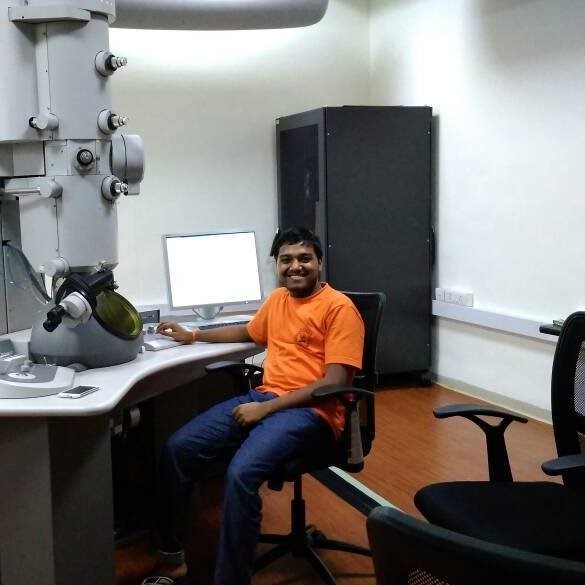
Microscopy (TEM)
Atomic scale imaging and defect analysis.
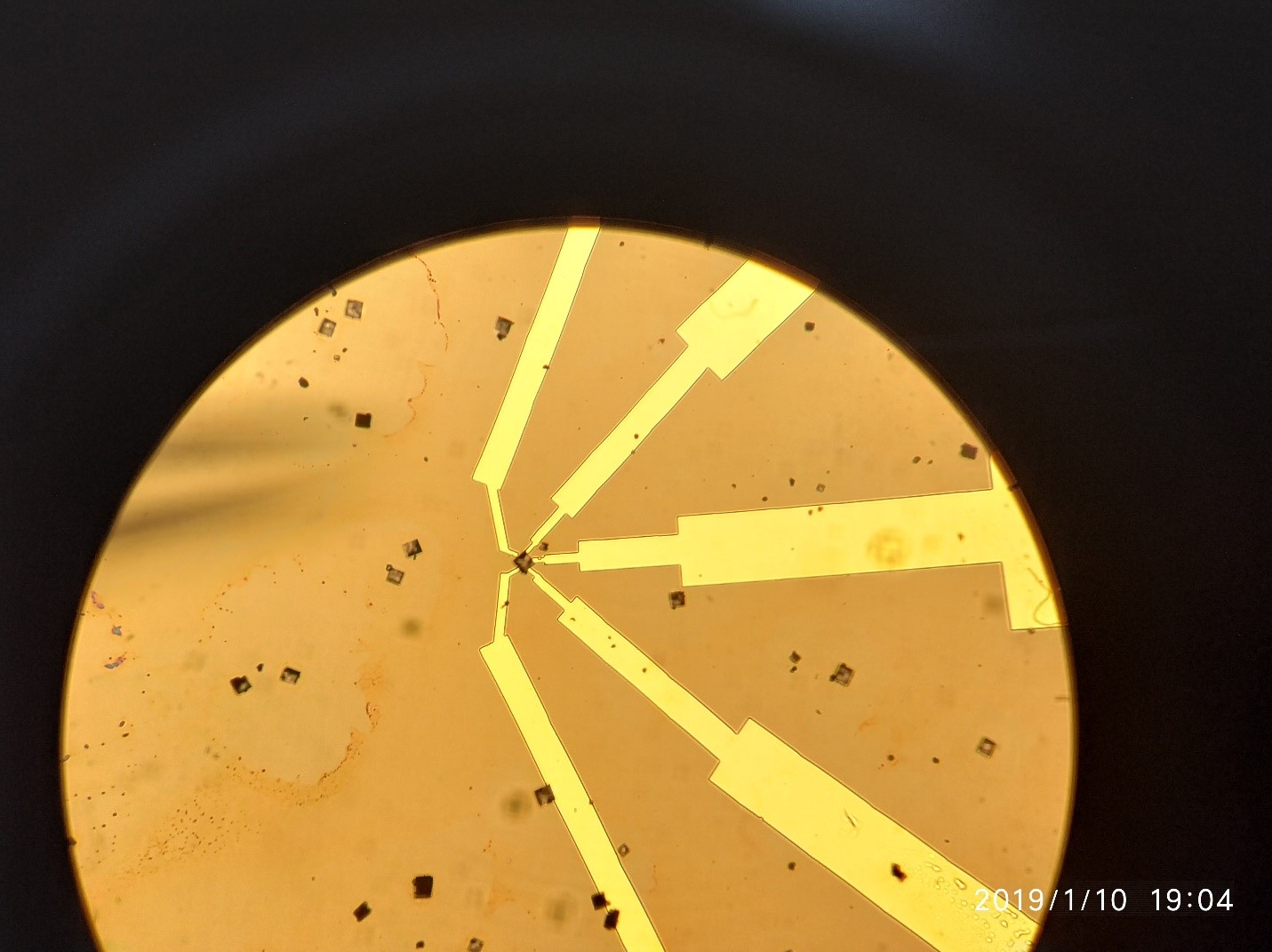
Device Fabrication
Sub-micron lithography and contact engineering.
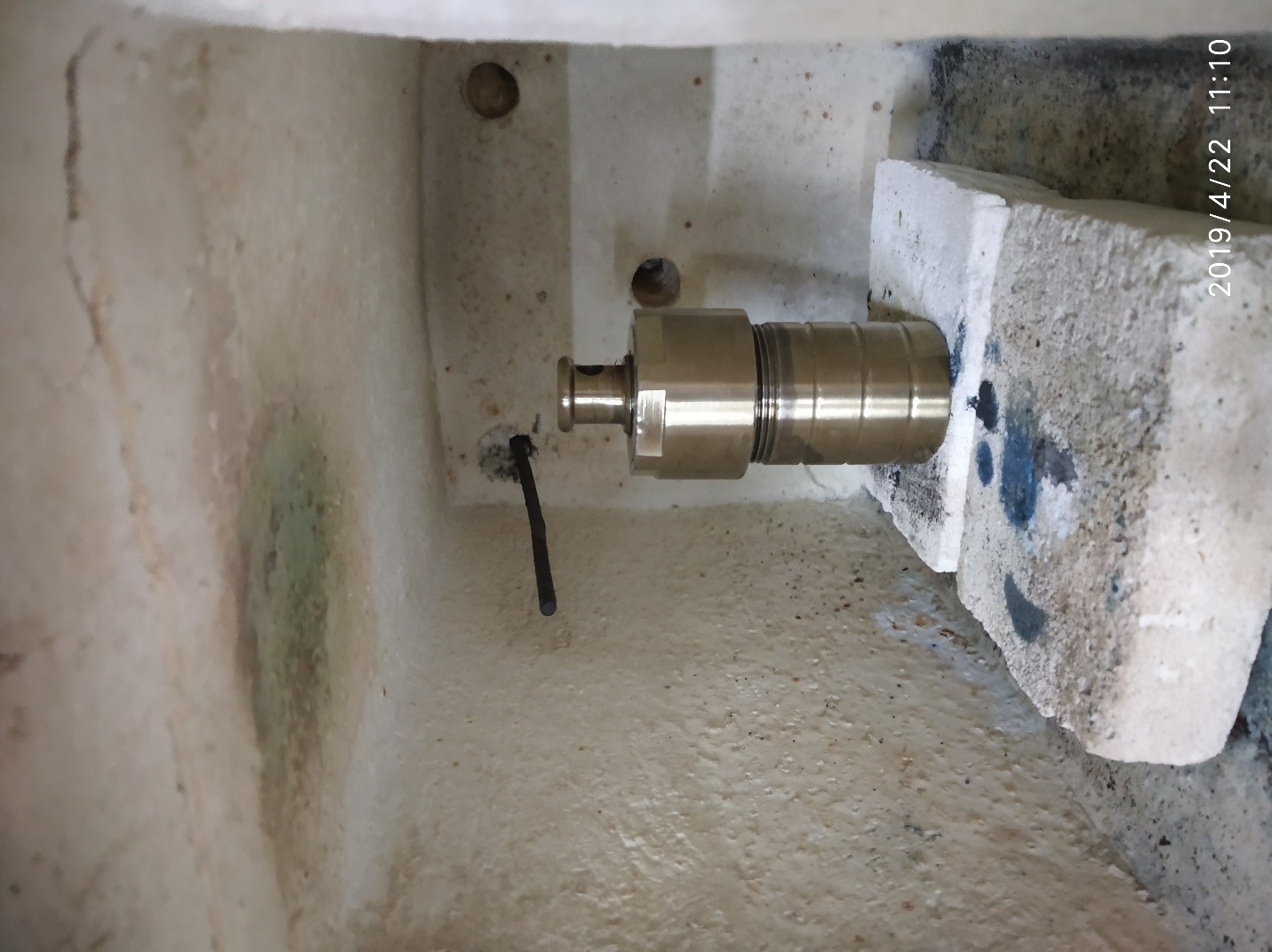
Synthesis
High-pressure hydrothermal growth.
Extra Synthesis content from synthesis1.md …
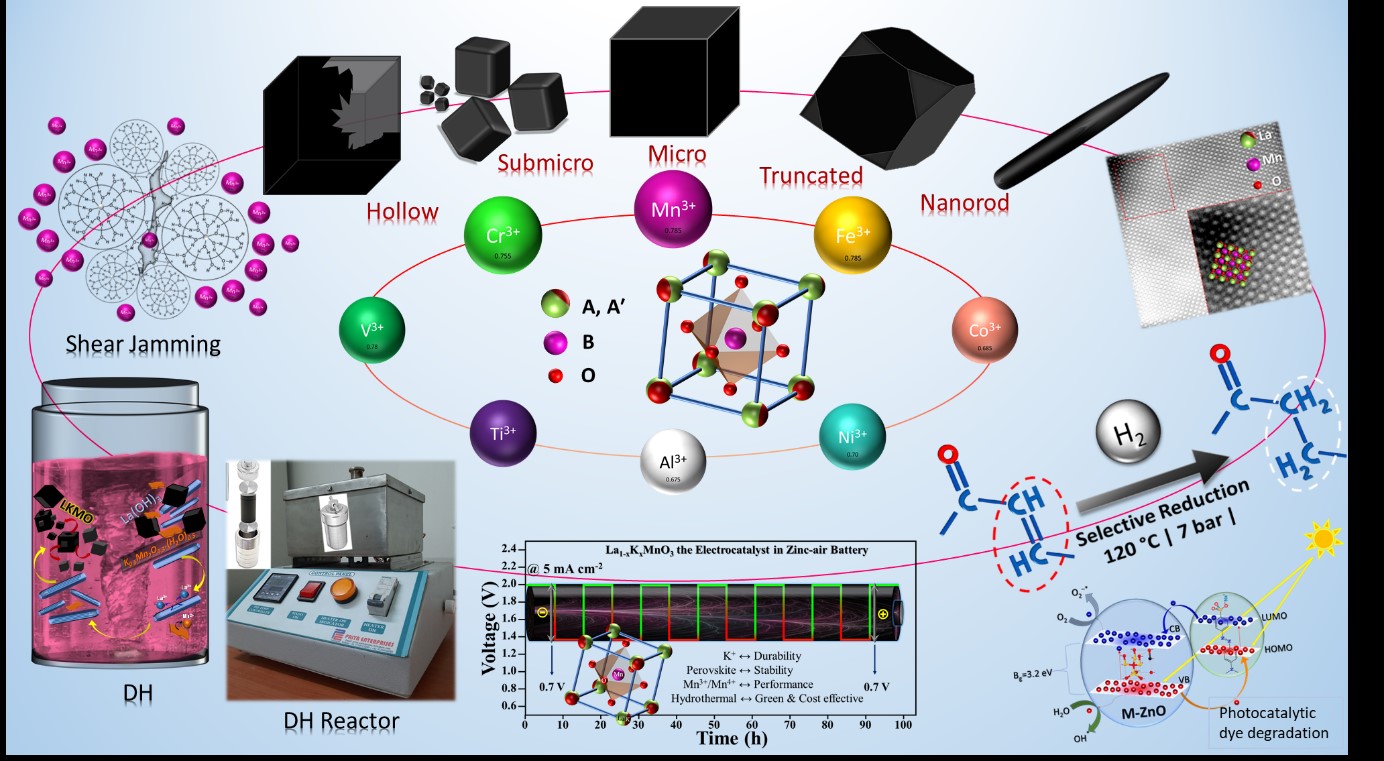
title: “Advanced Material Synthesis” date: 2024-01-01 cover: image: “/images/hydrothermal-setup.jpg” alt: “Hydrothermal Autoclaves” description: “Specialized in Low-Temperature Hydrothermal routes for stabilizing complex perovskite phases.” weight: 1
The Challenge: Overcoming Thermodynamics
Transition metal perovskites (like $LaMnO_3$) traditionally require solid-state reactions at >1000°C to form. This leads to bulk, sintered products with low surface area, limiting their catalytic utility.
My Doctoral Innovation: My thesis focused on “Tailoring Transition Metal Perovskite Oxides via Low-Temperature Hydrothermal Routes”. I developed a soft-chemistry approach to stabilize pure-phase Lanthanum Perovskites ($LaMO_3$, where M = Cr, Mn, Fe, Ni) at temperatures as low as 200–240°C.
Case Study: K-Substituted $LaMnO_3$
The Challenge: Stabilizing the cubic phase of $LaMnO_3$ usually requires temperatures >800°C. My Solution: I developed a low-temperature hydrothermal protocol using highly alkaline mineralizers.
- Precursors: $La(NO_3)_3 \cdot 6H_2O$, $Mn(NO_3)_2 \cdot 4H_2O$, and $KOH$.
- Conditions: Autoclave synthesis at 240°C for 24–72 hours.
- Mechanism: The high concentration of $OH^-$ ions (from KOH) acted as a mineralizer, facilitating the dissolution-recrystallization mechanism essential for cubic phase stabilization.
- Result: This yielded uniform microcubes with enhanced Oxygen Reduction Reaction (ORR) activity due to the creation of $Mn^{4+}$ defects.
Visual Methodology
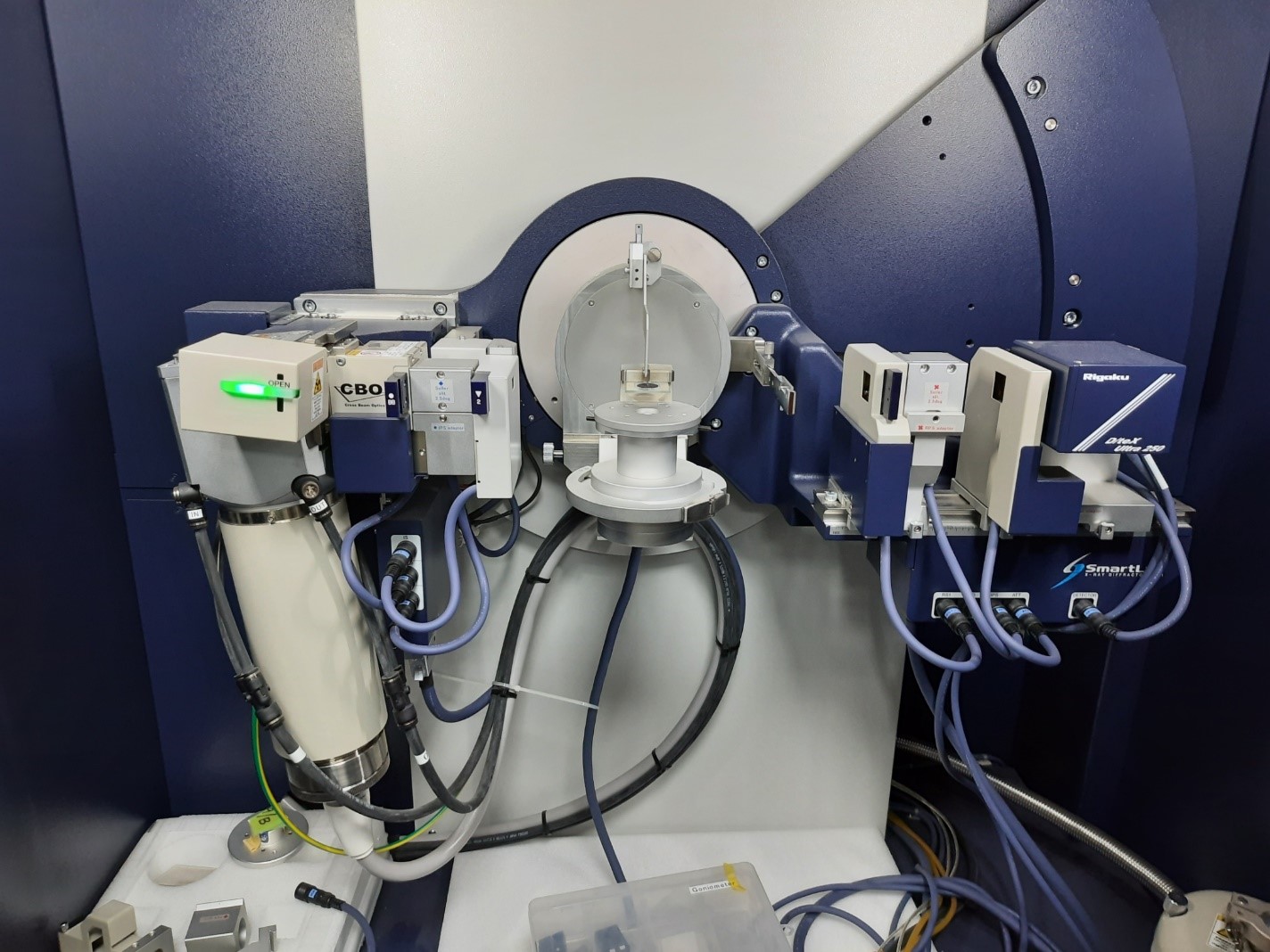
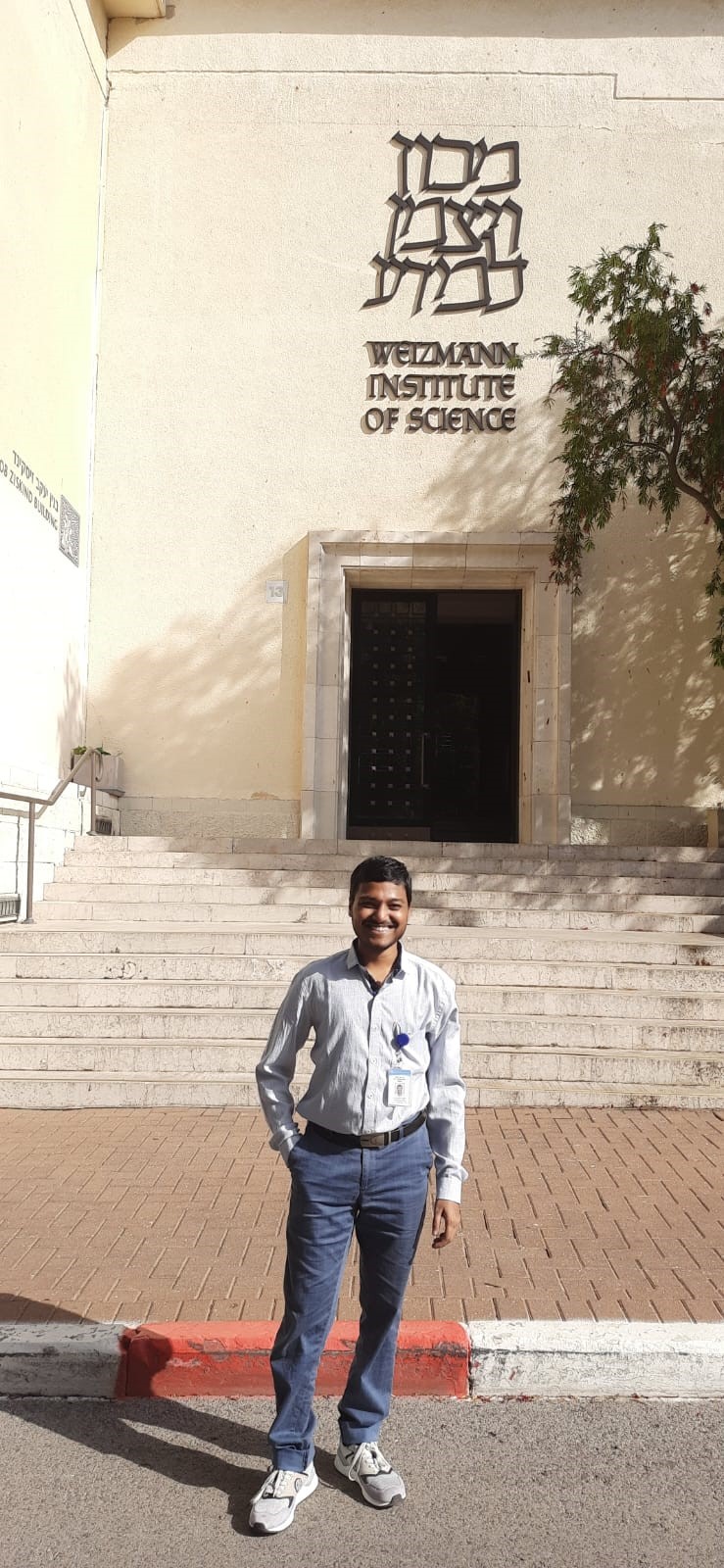
title: “Spectroscopy & International Research” date: 2024-01-01 cover: image: “/images/exp-weizmann.jpg” alt: “Weizmann Institute Lab” description: “Advanced characterization of charge carrier dynamics at the Weizmann Institute of Science.” weight: 5
Global Research at Weizmann
Science has no borders. My tenure at the Weizmann Institute of Science (Israel) exposed me to a high-octane research environment at the intersection of solid-state physics and chemistry.
The Focus: Understanding the dynamic behavior of charge carriers in semiconductor materials for next-generation photovoltaics.
Advanced Characterization Techniques
Moving beyond static DC measurements, I employed frequency-dependent and time-resolved spectroscopy to isolate specific recombination mechanisms.
1. Impedance Spectroscopy (EIS)
- The Physics: By applying an AC voltage over a frequency range, we can distinguish between processes with different time constants.
- Application: Separated grain boundary resistance from bulk resistance in perovskite solar absorbers, identifying the exact location of charge trapping.
2. Photoluminescence (PL) Spectroscopy
- The Physics: Measuring the emission spectrum after photo-excitation.
- Application: Investigated carrier recombination lifetimes. A longer lifetime indicates lower defect density and better solar cell efficiency.
3. Chiral-Induced Spin Selectivity (CISS)
- Collaboration: Worked with diverse teams to investigate how electron spin influences water splitting efficiency on chiral-molecule-coated electrodes.
Visual Methodology
Bridging atomic precision with conscious leadership for real-world energy solutions.
---The Advanced Materials Vision
My research operates at the intersection of Condensed Matter Physics and Materials Chemistry. By manipulating electrons and spins within layered oxides and heterostructures, I aim to pioneer the next wave of Green Hydrogen Electrolyzers and Neuromorphic Computing Materials.
From ab-initio design to nanodevice fabrication, I bridge the gap between fundamental atomic mechanisms and scalable real-world energy solutions.